
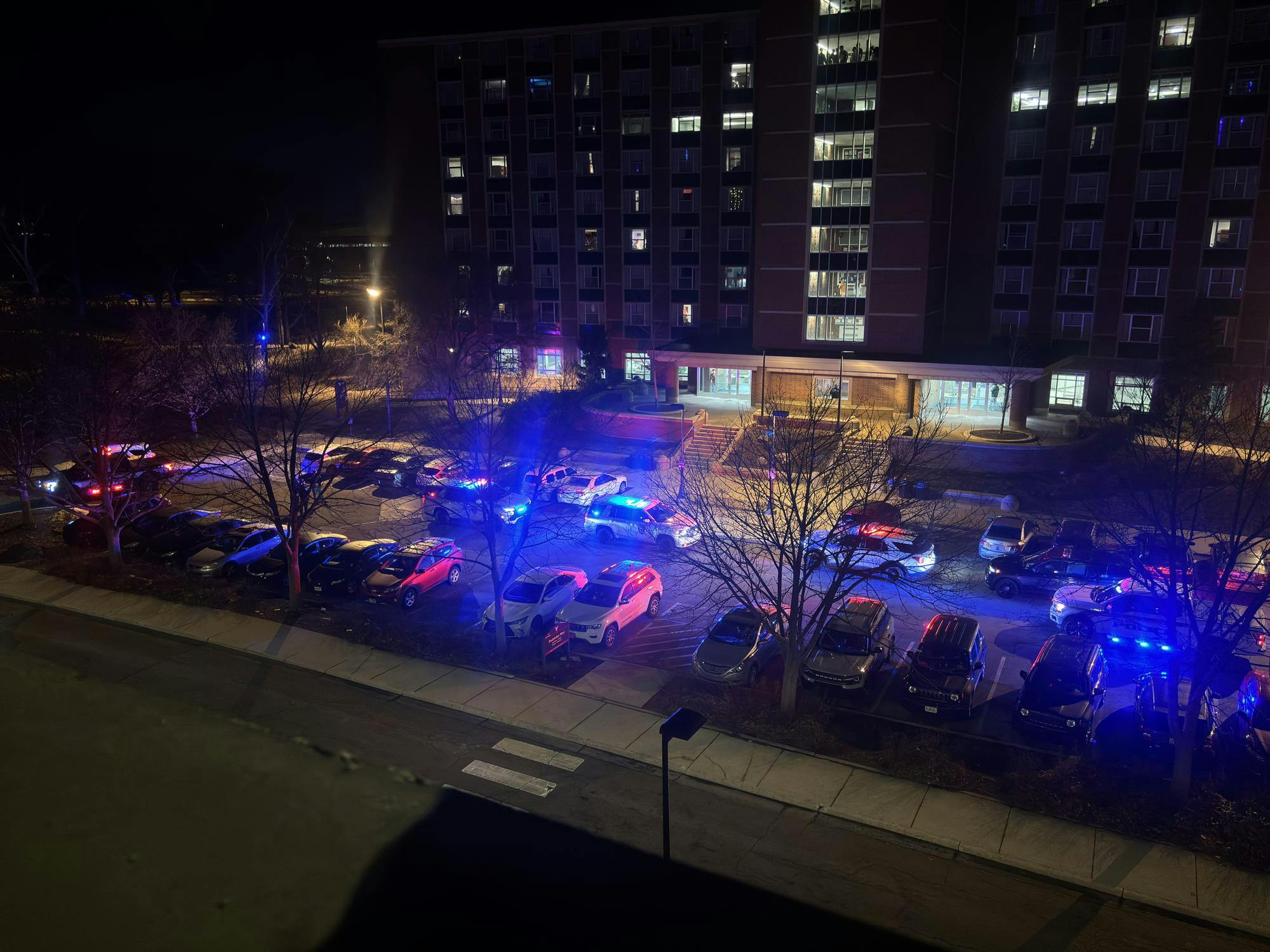
The Deer Creek Fire has recently gained public attention as residents, emergency responders, and local authorities closely monitor its development and potential impact on surrounding communities. While specific details may vary depending on the exact location of the incident, wildfires of this nature typically prompt swift and coordinated emergency responses due to the risks they pose to both public safety and natural environments.
Wildfires such as the Deer Creek Fire often occur in regions with dry vegetation, elevated temperatures, and wind conditions that can rapidly intensify fire behavior. These factors can contribute to fast-moving fire spread, especially in forested or rural areas where containment can be more challenging. As a result, even a small ignition source—such as lightning, human activity, or equipment use—can escalate into a significant wildfire under the right environmental conditions.
In response to incidents like this, fire departments, forestry services, and emergency management agencies typically mobilize quickly to assess the situation and implement containment strategies. These efforts often include establishing firebreaks, deploying ground crews, and using aerial resources such as helicopters and air tankers to slow or redirect fire spread. The primary goals of these operations are to protect lives, safeguard property, and limit environmental damage.
Public safety remains a central concern during wildfire events. Authorities may issue evacuation warnings or mandatory evacuation orders depending on the fire’s proximity to residential areas and its rate of expansion. Residents in affected or nearby regions are encouraged to remain alert, follow official instructions, and prepare emergency kits containing essential items such as water, medications, important documents, and communication devices. In some cases, temporary shelters and road closures may also be established to assist displaced individuals and ensure safe evacuation routes.
Beyond immediate safety concerns, wildfires also have significant environmental and health impacts. Large fires can destroy forests, disrupt wildlife habitats, and contribute to long-term ecological changes. Smoke from wildfires can travel considerable distances, affecting air quality in surrounding regions and posing health risks, particularly for individuals with respiratory conditions, older adults, and young children. Health officials often advise minimizing outdoor exposure and using air filtration systems during periods of heavy smoke.
The progress of containment efforts depends on several factors, including weather conditions, terrain accessibility, and the availability of firefighting resources. Shifts in wind direction, rising temperatures, or dry conditions can complicate suppression efforts, while favorable weather can assist crews in gaining control. Firefighters often work in rotating shifts under demanding conditions to monitor hotspots, reinforce containment lines, and prevent re-ignition.
As with most wildfire events, official updates regarding the Deer Creek Fire are typically released by local fire departments, forestry agencies, and emergency management authorities. Residents are strongly encouraged to rely on verified sources for accurate and timely information, as unconfirmed reports on social media can sometimes lead to confusion during rapidly evolving situations.
The Deer Creek Fire serves as a reminder of the ongoing wildfire risks faced by many regions, particularly during dry seasons. It highlights the importance of preparedness, environmental awareness, and coordinated emergency response systems in reducing potential harm and protecting both communities and natural landscapes.




Leave a Reply